
YouTube has become more than just a video-sharing platform—it’s now a full-time job for many people around the world. From vloggers to educators to entertainers, creators rely on YouTube to reach audiences and earn a living. But as the platform grows, so do the rules. On July 15, 2025, YouTube introduced a new update to its monetization policy, aiming to make the platform more fair and authentic for everyone involved.
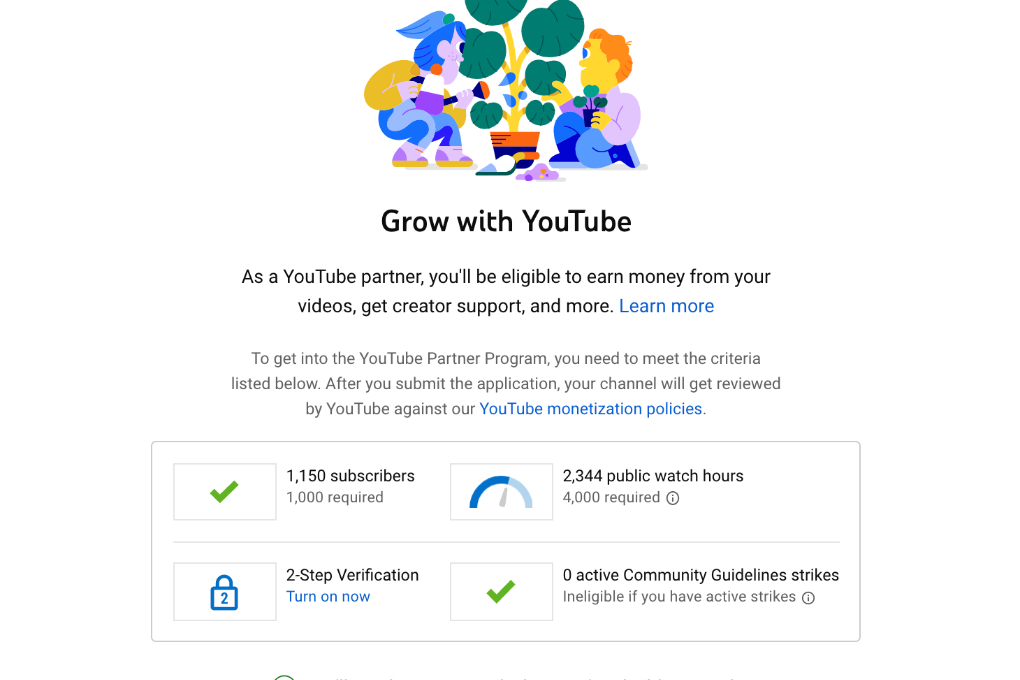
Monetization is the way creators make money from their videos. When someone uploads a video that follows YouTube’s rules, they can join the YouTube Partner Program (YPP). This allows ads to appear on their videos, and the creator earns money from these ads. However, YouTube doesn’t allow just any video to earn money. There are certain guidelines and standards that every creator must meet.
With the recent update, YouTube has made it clear that content must be original and meaningful to qualify for monetization. The term “repetitious content,” which was part of the old policy, has now been changed to “inauthentic content.” While the name is different, the goal is the same—to prevent low-effort or copied videos from making money.
In this context, inauthentic content refers to videos that don’t offer anything new or valuable to viewers. For example, simply repeating the same video clips again and again, using only basic background music with static images, or uploading content copied from other channels without adding personal insight or commentary are all considered inauthentic. These types of videos may now be removed from the monetization program.
Channels that rely on recycled or unoriginal content are likely to be affected the most by this change. YouTube wants to reward creators who put thought and effort into their work. If your videos are unique, include your own voice or ideas, or provide something helpful or interesting for viewers, then you’re likely still in good standing.
To avoid losing monetization, creators should focus on making content that is thoughtful and engaging. Instead of reusing the same clips or simply adding background audio, they should try to add their own opinions, tell stories, or teach something useful. Creating videos with care not only follows YouTube’s rules but also builds trust and loyalty among viewers.
YouTube’s goal with these updates is to create a better experience for both creators and viewers. When people come across fresh, creative videos, they’re more likely to watch, comment, and share. This helps the platform grow and gives hard-working creators the recognition and income they deserve. By removing low-quality content, YouTube is making space for originality to shine.
The new monetization policy might feel strict at first, but it’s actually a step in the right direction. It encourages creators to bring their best work forward and discourages shortcuts. If you’re someone who puts heart and effort into your videos, this update won’t stop you—it might even help you stand out more. Keep creating, stay true to your style, and YouTube will continue to be a space where your voice can be heard and your efforts rewarded.